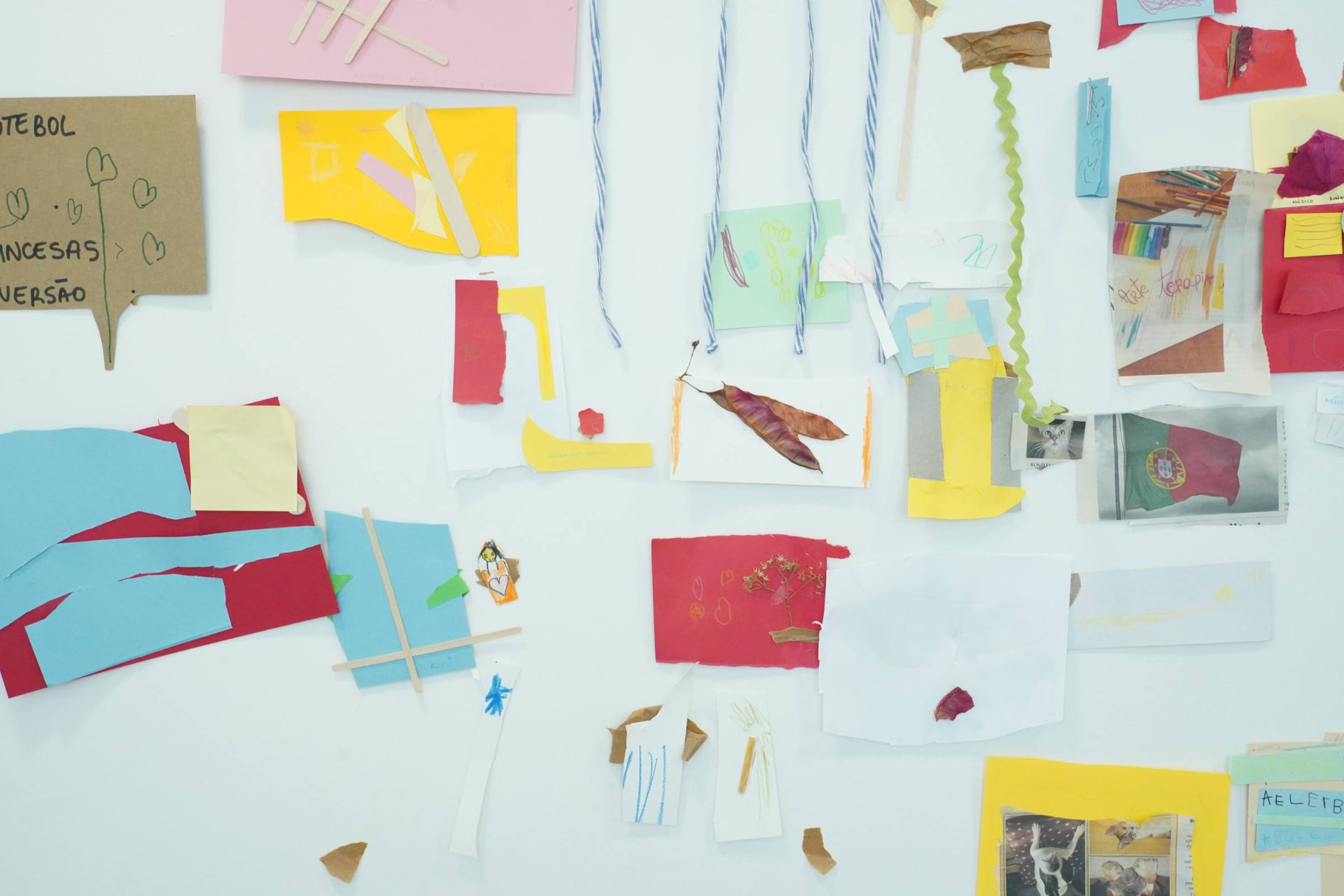
Children's collage of their city, with paper cut-outs, drawings and string on a white wall.

It Takes the Children to Raise a Village

Children's Participation as Public Intelligence

A curated platform showing how children's views have changed real policies, services and public spaces, and how institutions can do the same.

New here? See how this platform works

Children's work from Bruna's participatory research.

Made forPolicymakers and public institutionsMunicipalitiesFoundations and philanthropists →NGOs running initiatives →Researchers and practitioners

Why Children's Perspectives Matter

Children are not only beneficiaries of policies. They are sources of public intelligence: they know how institutions, services and spaces affect their lives, and they can help improve them.

When designed ethically and rigorously, children's participation is not symbolic. It produces real evidence for better public decisions.

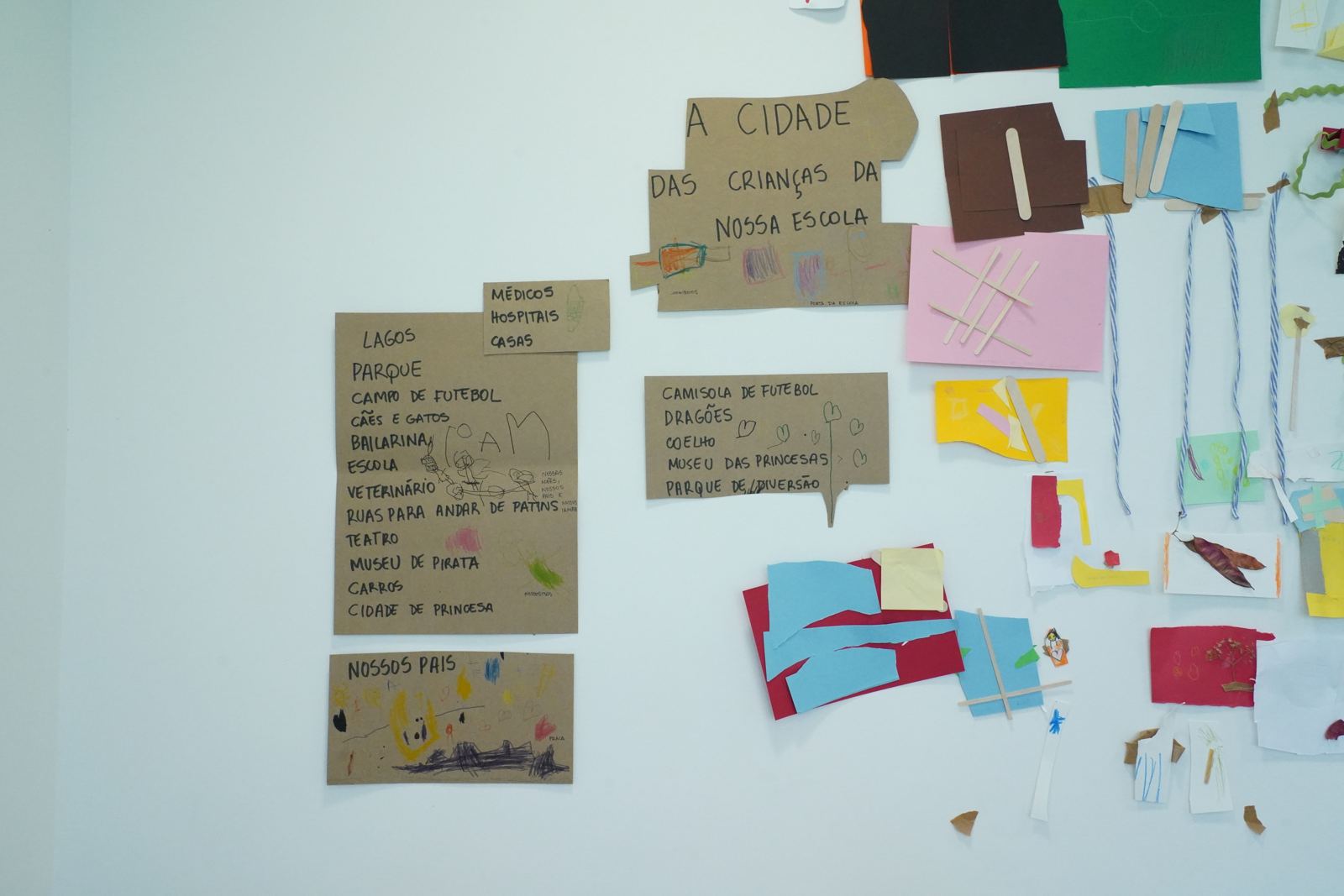
Collage titled 'A cidade das crianças da nossa escola' with lists of places the children chose.
"A cidade das crianças da nossa escola" (The city of our school's children).
  • The Data That Is Missing

    Children live in the city. They occupy and use public spaces and services every day. Their experience is information most decisions are still made without.

  • The Cost of Fixing Late

    Spaces and services designed without the people who use them are often used less and corrected later. Listening early costs less.

  • The Risk of Guessing

    Planning for children without asking them means planning on assumptions. Participation turns those assumptions into evidence.

Our approach

Play is how young children take part.

Most participation methods ask children to talk like adults. Young children explain their world through play, drawing and movement. We treat that as evidence, and design ways for institutions to read it.

How I work with institutions

  • Play

    as a political language

  • 0 to 5

    the ages most often left out

  • Evidence

    for design and evaluation

  • Ethics

    no child data, by design

What the Evidence Says

Governments and international organisations are starting to document what changes when children take part in decisions. These reports show what we know so far, and what is still missing.

  • Child Participation Assessment Tool

    By Council of Europe, 2016

    Ten indicators that help governments measure how well they put children's participation into practice.

  • Engaged and Heard! Guidelines on Adolescent Participation and Civic Engagement

    By UNICEF, 2020

    Guidance for UNICEF offices and partners on meaningful and safe participation of adolescents.

  • National Strategy on Children and Young People's Participation in Decision-making

    By Government of Ireland, 2015

    A whole-of-government strategy, built on the Lundy model, to include children in decisions on community, education, health and justice.

Children speak in a hundred languages. Public institutions need to learn to listen in more than one.

What You Will Find Here

This platform documents participatory practices and what institutions need so children's views change decisions.

  • Explore Initiatives

    Real examples of children's participation, on a map and in a searchable list.

  • What the Evidence Says

    Reports and evaluations on what changes when children take part.

  • How Institutions Adopt It

    What helps governments, schools and NGOs move from consultation to real influence.

  • Work with Bruna

    Support to design participation processes and turn children's views into recommendations.

9 initiatives across 38 countries

Hover over a dot or shaded country for a quick overview, or switch to List to search and filter.

Rights Respecting Schools Award in nursery schools

United Kingdom · UNICEF UK · Early childhood, 0–5

Nurseries report that children became more confident in sharing their views and more aware of their own and others' safety. Independent evidence for early years settings is still limited.

How this collection is built

Read the full method on About
  • Public sources only

    Every initiative is backed by reports, evaluations or official pages.

  • Reviewed and dated

    Each profile shows its sources and when it was last checked.

  • No child data

    We map initiatives, never children.

  • Small on purpose

    A few well-sourced cases over many unverified ones.

Bring Children's Perspectives into Your Policy or Programme

Start with a 30-minute call. No budget or proposal needed.